Cryptocurrency Trading Scams: The Patterns to Watch For
I keep seeing folks get burned by cryptocurrency trading scams. The plays are old but they hide in plain sight. In this post I break down rug pulls, fake return promises, and the on-chain tells that give the scams away. If you trade or just think about it, this stuff matters.
Crypto keeps growing in use. That draws normal people and also criminals. Bad actors use crypto to launder money, run fraud schemes, and trick buyers. One big reason: crypto moves are immutable. Once you send it, you can't reverse it. If a scammer tricks you, the coins are gone and you likely won't get them back.
The main word here is cryptocurrency trading scams. We'll look at how they work and what to watch. I'm not a cop or a firm. I just read the research and want to lay it out plain.
The Rug Pull Problem
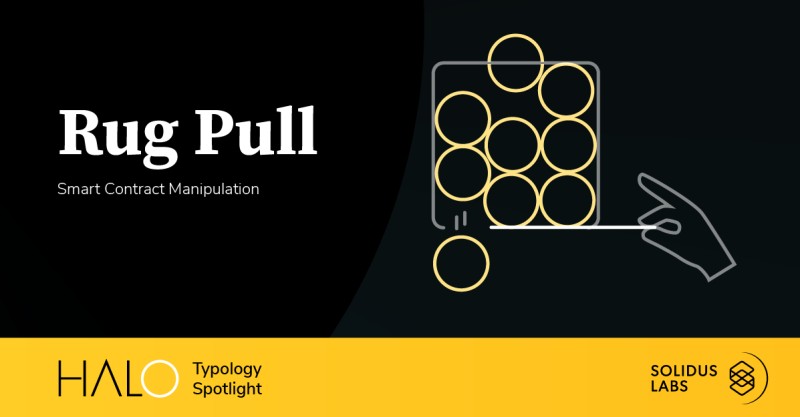
The rug pull is the most common crime in crypto. More than 300,000 scam tokens were made and 2 million investors got defrauded. That is more people harmed than the collapses of FTX, Celsius, and Voyager combined. Wild, right?
A rug pull is when a scammer makes a new coin, gets users to buy in, then pulls the floor out. They take the money and leave buyers with tokens worth nothing. It happens fast and often with little warning.
Don't skip this part. If you see a brand new token with big hype and no clear team, step back. The rug pull is the core of most cryptocurrency trading scams we talk about here.
How Scammers Pull the Rug
Scammers do it two ways. They program the token to steal, or they promote the token to steal. Some do both at once.
Two main rug pull methods
- A DeFi scam: the token's smart contract is coded to trap buyers.
- An exit scam: the token is normal but hyped with lies before the steal.
- Worst case: coded trap plus fake promo at the same time.
- Example: Squid Game token had a honeypot and a fake site, took over $3 million fast.
In a DeFi scam, the code may block selling, let the dev mint endless tokens, or charge huge fees. In an exit scam, they fake sites, fake partners, and use bots to wash trade. Both leave you with empty hands.
DeFi Scam Exploits
Solidus Labs sorts DeFi scams into clear exploit types. These are the code tricks that gut buyers.
Common DeFi exploit types
- Honeypots block you from reselling the token.
- Hidden mints let devs create unlimited new tokens.
- Fake ownership renounce hides who controls the code.
- Hidden balance edits let devs change your holdings.
- Hidden fee modifiers can set sell fees up to 100%.
- Hidden max tx modifiers can set max trade to zero.
- Hidden transfers let devs move tokens from you to them.
Each trick is visible if you read the contract. Most people don't. That's why cryptocurrency trading scams keep working. A crypto deck screener can help spot some of these before you buy.
The Dictionary Scammer
One serial fraudster made over 9,000 scam tokens across Ethereum, BNB Chain, and Polygon. They use normal dictionary words for code vars like shirt, uncle, herd, ice. That's why they're called the dictionary scammer.
SafeUkraineInu is one of theirs. The code uses those odd var names and turns on a honeypot plus a hidden mint. Buyers can't sell, and the scammer can mint way past the stated max supply. The token name copies a real donation token and uses the ticker $SUI like the popular Sui token.
Their whole rug pull is on the blockchain. Steps: deploy token, pair it with ETH or BNB in Uniswap or PancakeSwap, wait for buys, mint a huge number of new tokens, then swap them for ETH/BNB and drain the pool. They make 0.1 to 5 ETH per pull.
Exit Scams and Fake Hype
In an exit scam, the token is clean code but the promo is fake. They may use a fungible token or an NFT. Before the rug, they hype it up with lies.
Exit scam hype tricks
- Make fake marketing websites.
- Announce partner deals that don't exist.
- Lie about team or backers.
- Hide big token bags they claim not to have.
- Wash trade to fake price and volume.
- Use bots to spam good talk on Twitter, Discord, Reddit, Signal, Telegram.
Prosecutors notice this. It's calculated theft. The FLiK token case shows it. Ryan Felton ran FLiK and CoinSpark exit scams in 2018, lied about a rapper co-owner and military deals, then dumped 40 million coins. He pleaded guilty to wire fraud, money laundering, and securities fraud.
Felton dumped more than 40 million FLiK coins on trading markets, causing the value of FLiK coins to plummet.
That case tells me U.S. courts will convict exit scammers. Smart contract scammers may be next. Either way, cryptocurrency trading scams like this leave real victims.
Rug Pull Scale and Token Risk
Between September 2020 and January 1st 2022, over 212,000 scam tokens were made. That includes 83,000 in 2021 and 125,000 in 2022. Old research found only 24 in 2021 and 262 in 2022. The real number is way higher.
A scary stat: 8% of all Ethereum ERC-20 tokens are made to pull the rug. On Binance Smart Chain, 12% of BEP-20 tokens are rug pulls. So if you pick a random token, odds are not great.
For folks new to crypto , this is the part to burn in your head. Not every coin is a real legit coin . Many are traps from day one.
Investment Scams and Fake Return Promises
Get rich schemes never died. They just changed the wrapper. Now they use crypto as the hot commodity. They promise high returns fast and use famous people or influencers to look real.
Look for these claims. They are red flags in cryptocurrency trading scams of the investment type.
Fake return promise signs
- Guaranteed profits that beat normal investments by a lot.
- Guaranteed returns in very short time. Big red flag.
- Little info on what the crypto actually is or does.
- Limited time to invest or you miss out.
- No regulatory approval and works outside the rules on purpose.
Before you send a cent, check the company and people. In the UK you can use Companies House and the FCA register free. Search online for warnings. If someone tells you how to get rich off crypto with no risk, it's a lie.
This is not just for pros. Even beginner crypto buyers see these ads. The promise of fast doubles is the oldest trick in the book.
Phone and Text Scams
These hit by call or text. They say they're HMRC, your bank, or a delivery firm. They ask for your date of birth or address to "confirm" something.
Sharing that info lets them take over accounts or run other fraud. Never give personal info to a cold text. Real departments don't work that way. This feeds into broader cryptocurrency trading scams when they later ask for coin sends.
Money Mule Scams
Money mule scams target students and teens hard. They pose as a job. You get funds or crypto, then send it on. They say it's business or tax tricks.
Money mule hooks
- They send you money or crypto, then ask to forward it.
- They claim it's a scheme to cut tax bills.
- They may let you keep a small cut as pay.
- They might drop crypto in your account, ask you to sell, pass back fiat.
Hey, don't skip this part. Acting as a mule can bring criminal charges. They also use your ID for more fraud. If a "job" is just pass crypto along, walk away.
Romance Scams
Romance scams start on dating apps or social media. Fake profiles with cute pics build trust over DMs. Then they ask for help or money.
Romance scam pattern
- Lots of compliments at the start.
- Talk of struggles, need your help.
- Ask for money for an emergency.
- Avoid meeting in person, always a reason.
- Details about their life don't stay consistent.
They may also pull you into a money mule role. It's social engineering, plain and simple. Europol has guides on these red flags if you want more.
Blockchain Forensics and Scam Detection
Blockchain forensics helps find and stop scam types in crypto. A blog post lists 14 common scam typologies and how forensics catches them. For rug pulls, case studies show how on-chain data exposes the steps.
The dictionary scammer's full process sits on the blockchain. You can see deploy, pair, mint, drain. Solidus Labs uses such methods to detect and deter rug pulls at scale. That flips the edge back to regular users who know how to read it.
If you're into making your own crypto , learn these tells. It helps you not build a trap by accident and spots ones made by others. And if you wonder what fud in crypto means, it's fear talk used to dump price. Scammers use it, forensics cuts through it.
How On-Chain Data Exposes the Plays
The nice thing about crypto is the ledger is open. A rug pull leaves a trail. You see the token born, the pool filled, the buys come, then the mint spike and the drain.
Tools that read this are how we fight cryptocurrency trading scams. You don't need a lab. A block explorer and some time shows the dictionary scammer's moves clear as day. The top five crypto by volume still see these tokens listed next to real ones.
Stick to known venues. A solid exchange site with listings review helps avoid the worst. And if you ever think how do i make an nft , know that NFTs get used in exit scams too. Check the contract and the team.
Regulatory Warnings and Victim Reporting
Plain words: don't invest unless you're ready to lose all the money. Crypto is high risk. You should not expect protection if it goes wrong. Take two mins to learn more before you send funds.
DON'T INVEST UNLESS YOU'RE PREPARED TO LOSE ALL THE MONEY YOU INVEST. THIS IS A HIGH-RISK INVESTMENT AND YOU SHOULD NOT EXPECT TO BE PROTECTED IF SOMETHING GOES WRONG.
If you think you're a victim in the UK, report to Action Fraud soon. Your bank can help too. They lead on fraud reporting and have info on types and protection.
Crypto assets are not covered by the Financial Services Compensation Scheme or the Ombudsman. A firm like Solidi Ltd is registered with the UK FCA under money laundering rules, but that doesn't make your trade safe from cryptocurrency trading scams.
What the Patterns Teach Us
Rug pulls and fake returns share a core. They use immutability against you. Once sent, it's gone. The promo lies, the code traps, or both.
I like that forensics puts power back with the user. The dictionary scammer left every step on-chain. Exit scammers left bots and fake sites. If you slow down and check, the tells show.
For any new token, read the contract or use a scan tool. For any return promise, assume it's a lie until proven. That mindset cuts most cryptocurrency trading scams out of your life.
Staying Clear of the Traps
You don't need to be a coder to stay safe. You need to pause. New token, big hype, no clear team? Pause. Guaranteed double in a week? Pause. Job that is just moving crypto? Run.
Use free checks. Companies House, FCA register, Action Fraud guides. They exist so you don't learn the hard way. The stats on rug pulls show how common this is across chains.
And keep it real with yourself. Crypto can be fun and useful, but cryptocurrency trading scams are a constant noise in the space. Learn the plays, and you hear the lie before it costs you.

Comments on “How to Spot Cryptocurrency Trading Scams: Rug Pulls, Fake Returns, and On-Chain Tells”
No comments yet. Be the first to share your thoughts.