
How Do I Invest in Crypto Without the Risky Gamble
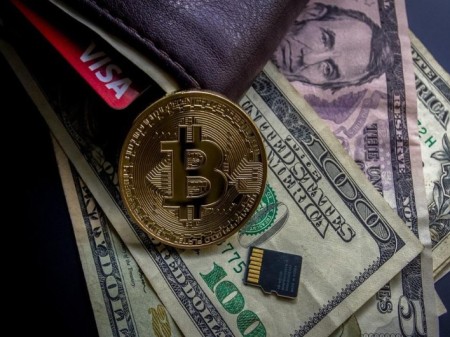
I kept asking myself how do i invest in crypto without losing my shirt. The short answer is: you can't remove risk, but you can cut the dumb parts. Crypto is a network-based digital money that no bank or gov runs. Bitcoin came first. Ethereum is the other big one people trust.
The source says only Bitcoin and Ethereum are real success stories. Why? Millions of normal dollars flowed in, and the design built trust. Built-in scarcity, blockchain tech, and secure sends made buyers feel safe. Govs don't call it money though. They call it a commodity, like stocks.
If you're new, start with cryptocurrency for beginners reads before you send a cent. I'm not a financial advisor. The source isn't either. We're just reshaping facts so you can do your own research.
What Crypto Actually Is
Crypto lets two people send value fast and private, anywhere, with no big bank in the middle. That part is cool. Blockchains could change art records, title insurance, and how online groups run. But will it kill the old money system? Source says skepticism is fair.
Some real uses: portable wealth you can carry, DAOs that pay for work not papers, and NFTs for digital stuff. You can also earn by buying, swapping, selling. Or get passive income via DeFi. Still, none of this is a promise. It's a tool with sharp edges.
Because crypto is not backed by a government, governments do not consider it a currency, but rather a commodity like stocks.
Smart Move or Risky Bet
When I look at how do i invest in crypto, I see two sides. Upside: low fees vs real estate or broker accounts. You can start with small money. No bank needed. Downside: no dividends, no interest. You only win if you sell high. If trust drops, value drops with it.
A failed exchange has few real assets to pay you back. And since no one needs crypto to pay tax or buy bread, you might not sell at all. The source says one author would not advise buying. They say if you must, stick to Bitcoin and Ethereum. I get that. Obscure coins are where scams hide.
Another view: Bitcoin is near half the whole market. People heard of 9,000% gains in a decade. But to repeat that, it'd need to hit millions per coin. Possible? Maybe. Likely? Source says it's a stretch. Don't bet the rent on it.
Crypto Volatility Is Brutal
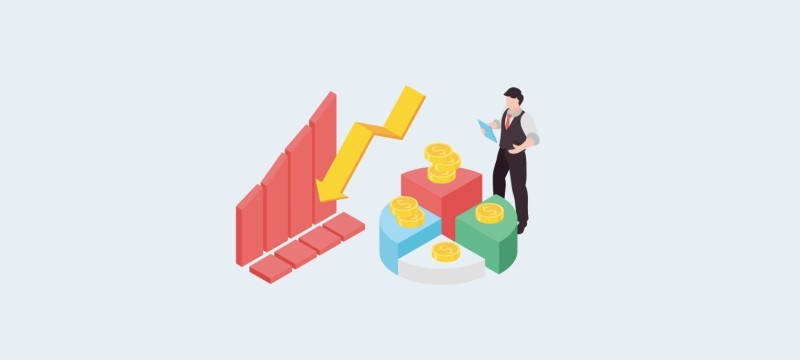
Investing in crypto is not for the faint heart. Since 2017, Bitcoin had drops of 33%, 39%, 41%, 30%, 84%, and 62%. One two-day crash cut it by half. Markets run 24/7/365. You can sleep calm and wake in a bear market. Lesser coins move even harder.
One investor's crypto stayed under 3% of their portfolio. They said they won with crypto because they followed their plan, not because they got rich. That line stuck with me. The crystal ball for crypto is pitch black.
You can't get the insane returns without the insane losses and volatility.
Safe Ways to Invest in Crypto
There's no risk-free path. But you can dodge the obvious traps. Learn basic investing first. Read the whitepaper of any project. If it promises too much or reads like a kid wrote it, walk away. The Squid Game token had grammar errors and no real plan. That's a red flag.
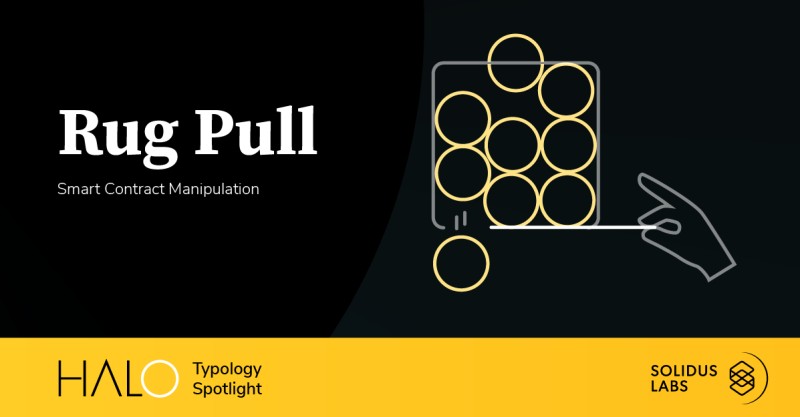
Check the developers. A doxxed team shows faces and names. Anons can rug pull and vanish. Don't pour money in meme coins. Dogecoin and friends often run pump-and-dump. If you want to learn cryptocurrency investments for beginners , small steps beat YOLO trades.
Steps I use to vet a coin
- Read whitepaper for real plan and roadmap
- Check if team is doxxed and accountable
- Avoid meme coins and anonymous teams
- Research if utility token solves a real problem
- Learn from past rug pulls and dev habits
A general filter from source: strong social media, engaged founder, fast innovation, real community on Telegram or Reddit. Does it offer staking or deflation? Direct tie to a big exchange? Unique tech solving a real problem? Those matter more than hype.
Market Cap and Allocation Sizing
Small-cap coins under $1B are wild but may grow. Mid-cap $1B-$10B add risk. Large-cap over $10B like BTC and ETH are steadier but slower. Pick based on your gut for risk. The source says size right. Don't tie your whole future to one bet.
Start with a small slice. If crypto booms, a little is all you need. If it tanks, a little is all you'll want. One investor used 1%-5% as the sweet spot. I'd say under 3% keeps you calm. Never interrupt compounding of your main stack for a side bet.
Start with just a small portion. If crypto booms, a little is all you'll need. If it doesn't, a little is all you'll want.
Step-by-Step: How to Buy Crypto
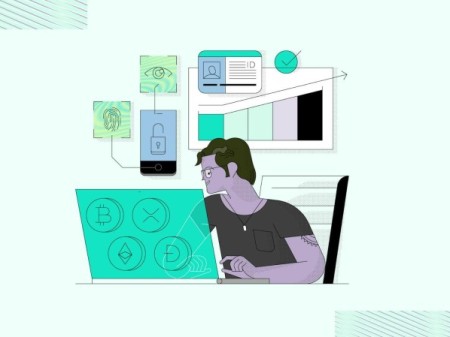
First, get a wallet. Hot wallets like MetaMask link to net and are less safe. Cold wallets like Ledger stay offline and avoid hacks. Lock it down with a good seed phrase. Don't screenshot it to cloud.
Next, get money in. Banks may fight you. KYC needs gov ID. An exchange is the easy door. Then buy coins or swap with tools like Uniswap. Research as you go. For crypto what to buy , most beginners start with BTC or ETH and stop there.
Popular coins to know
- Bitcoin: original, secure, most adopted
- Tether: stablecoin, tracks one US dollar
- Ethereum: smart contracts and dApps
- Binance Coin: payments and trade use
- US Dollar Coin: stablecoin like Tether
For first time, use a reputable platform. Get expert guidance if you can. Start small. Use crypto as a diversification tool, not your only option. That's the sane path.
Personal Allocation and Rebalancing
One investor kept 98% stocks and 2% crypto. They rebalance stocks yearly. Crypto they trade when it hits 0.8x or 1.25x of target. Gains buy more stocks. Cash from checking buys the dip. A simple sheet turns yellow when off track.
They admitted fear kept them from selling at highs. Non-auto investing is hard. Their thesis: smart people will build useful things with crypto, and owning a bit kills FOMO. If it went to zero, their plan still beats goal. "Never interrupt compounding unnecessarily" is the line I keep.
Crypto in a Retirement Account
You can hold crypto in a self-directed IRA. Rules are strict. Need a custodian. You can't hold keys yourself. Cash only, except rollovers. It adds diversification and may hedge inflation. Taxes differ: IRA avoids capital gains if already taxed, you pay income tax later.
Steps: pick a custodian with digital asset experience, fund via rollover or cash, choose coins. Bitcoin for safety or high-risk for thrill. Keep it small. The source warns self-custody kills the IRA status. Don't mix personal use with retirement funds.
What Does Staking Mean in Crypto
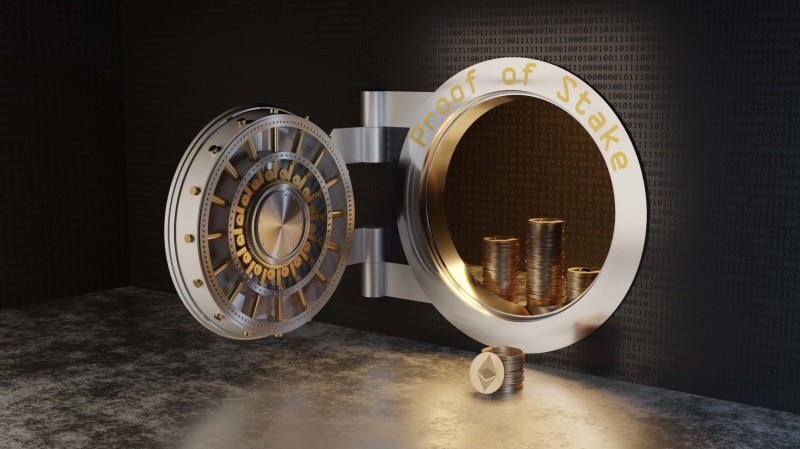
When people ask what does staking mean in cryptocurrency , it's simple. You lock tokens to help validate a network that uses proof of stake. In return, you earn new coins. Peercoin did it first in 2013. Ethereum switched to it in September 2022.
Validators run nodes and stake collateral. ETH needs 32 ETH min. Delegators stake less and delegate to a validator. You earn part of rewards. But lockup means you can't sell during the freeze. That's the trade for passive income.
Staking scales security and growth, offers rewards.
How Staking Works and Where to Do It
To stake, pick a project and learn min reqs. ETH 32, Polkadot 502 DOT. Rewards vary. ETH validators earn about 3.6%, Cardano 4.6%, Polkadot 14.88%. You can stake native as validator, or via a CEX like Coinbase. CEX is easy but custodial and pays less.
If you wonder what does staking a crypto mean in daily life, it's like parking money in a network to earn yield while helping it run. Risks: illiquidity, token drop, pool bugs, unclear regs. Liquid staking adds leverage risk. Read before you lock.
Ways to stake
- Solo: full control, need tech and min stake
- Delegated: stake via nominator, lower min
- Pooled: share rewards with others
- Staking as service: platform runs it for you
For highest crypto apy staking , Polkadot shows high numbers but with higher risk. Don't chase yield without checking the lock and the team. A best staking platform is one with clear fees, real custody, and no ghost devs.
Can You Make Money in Crypto
People always ask how do you make money in cryptocurrency . Main ways: buy low sell high, earn staking rewards, lend in DeFi, or build and sell digital goods. No magic. You need exit liquidity. If no one buys, you hold bags.
And the dream how to get rich off crypto ? A few did. Most won't. Source says majority of projects go to zero. A handful win. Size small, learn daily, and don't quit your job for a chart.
Tokens, Utility, and Community
A coin is base unit of a chain like BTC. A token rides another chain, like UNI on Ethereum. Types: wrapped, utility, stable, DAO, dApp, DeFi, NFT. Creators tokenize merch or even themselves. Unisocks launched at $14, traded $160, mostly spec.
Reddit tested community tokens. Early uses look like toys, then get serious. Source says regulation is mixed. Some call scam, some call revolution. Reality: money changed, laws adapt. Keep a spreadsheet for cost basis. Tools like ZenLedger help at tax time.
Final Risk Notes on Crypto
Crypto is the Wild West. Early space, regs shift, tax rules change. Start small. Learn blockchain. Use reputable platform. Get guidance. Use as diversification, not sole bet. Buying is worth it if you want digital demand exposure and can take swings.
Views conflict. Some say avoid all spec, only BTC/ETH if any. Others embrace 1-5% to manage FOMO. All agree: due diligence, know risk, skip obscure tokens, meme coins, anon teams. That's the line I trust.
Majority of crypto projects today will become worthless, handful of winners.
Research Tools I'd Use
A deck screener crypto helps filter coins by market cap, links, and social pull. CoinMarketCap for caps under $1B before breakout. Reddit and Discord for community sanity. If the crowd is delusional, skip. Read the whitepaper twice.
For a beginner plan, mix cryptocurrency for beginners reads with a small live buy. Feel the volatility with $20, not $2000. You learn more from one red week than ten articles. Just don't overexpose.
My quick check before any buy
- Doxxed team with past work
- Real use, not just hype
- Listed on a major exchange
- Staking or burn helps value
- Community talks tech, not moons
Why I Keep It Small
I treat crypto like a side quest. The source investor held 2% and slept fine. I'd do the same. The point is not to beat the market. It's to not break the main plan. If crypto zeroes, my stocks still compound. That's the safety net.
If you still wonder how do i invest in crypto, the calm answer is: learn, pick BTC or ETH, use a custodian or cold wallet, size tiny, rebalance by rules. No guru needed. Just your own research and a stomach for swings.






Comments on “How Do I Invest in Crypto Without the Risky Gamble”
No comments yet. Be the first to share your thoughts.