The Best Place to Buy Cryptocurrency: Cut Through the Noise
I spent a lot of time reading about where to put my first dollar into crypto. The talk online is loud and messy. Most posts scream about one app or another but skip the boring stuff that keeps your money safe. This post is my plain map. I look at the best place to buy cryptocurrency by walking through real options from Coinbase to Coinmama and the checks you should run before you send a dollar.
What a Crypto Exchange Actually Is
A crypto exchange is like a currency desk at an airport. You go there to swap your normal money for crypto, or one crypto for another. Some are based in the US, some elsewhere, and almost all live online. You will need to prove who you are. That step is boring but it stops fraud. Every trade costs something, usually a fee paid to the people who verify the network.
When you look for the best place to buy cryptocurrency, you compare a few things. Fees, ease of use, security, rules, payment types, coins listed, limits, speed, and where the service works. Some platforms try to be the best place to buy cryptocurrency for a beginner by hiding the hard parts. Others are built for traders who want charts and control.
Coinbase and Coinbase Pro
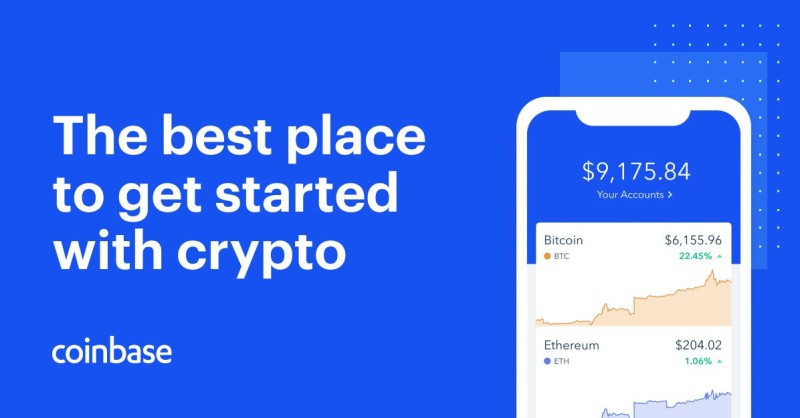
Coinbase is the largest exchange US people can use. It is not as big as Binance, which US folks can't use, but it is large. You can trade most coins reviewed on many sites there. The catch is the fee. You pay between 0.5% and 3.99% per trade. That feels steep if you come from Vanguard or Fidelity where stock trades are cheap.
If you move to Coinbase Pro, the fee drops to 0.5% or less. Pro used to be called GDAX. It fits people with some experience, not casual users. The ID check is long, so you get peace of mind on safety but it is not the fastest start. Coinbase itself is known for being easy, safe, and rule-following. Most coins sit in offline storage and they have insurance for online breaches. Two-factor auth is standard.
They also run a Learn platform with articles, videos, and quizzes. A support team answers by email. One reviewer said signing up via a link gave $10 free after investing $99.99. I don't treat that as a reason to pick them, just a note. When you start buying crypto coinbase makes the first step soft which helps if you're nervous.
Not your keys not your coins.
Coinbase is registered with FinCEN as a money service business and with the SEC as a broker-dealer. They get regular audits. That matters more than a free ten bucks. A platform to buy crypto should show you its paperwork without hiding it.
Robinhood and Webull
Robinhood lets you trade crypto with no fee. They make money by routing orders, like they do with stocks. They list 16 coins, but Nevada and Hawaii can't use it. People knock Robinhood for gamifying trades, pushing you to trade too much, which hurts your wallet over time.
A big warning: on Robinhood you don't own the coin. You can't move it to a cold wallet. The saying fits: not your keys not your coins. Webull also has no real fee but adds a 1% markup with a $1 minimum. They list 20 coins. Same problem, you don't hold the asset. If your goal is self-control of money, skip these for holding.
PayPal and Venmo
You can buy crypto through PayPal if you already have an account. Fees run 1.5% to 2.3%. Only four coins: Bitcoin, Bitcoin Cash, Ethereum, Litecoin. The plus is you likely already logged in and the flow is simple. Venmo is owned by PayPal and copied the offer. Same fees, same four coins. I like this as a test drive with a small amount.
For someone who wants a cryptocurrency purchase app they already trust, PayPal is a fair start. You won't get many coins but you avoid new sign-ups. Just know the limits and the small list before you send money.
Coinmama as a Simple Option
Coinmama started in 2013. Their mission was to make buying crypto simple. They aim to be the best site to buy cryptocurrency by offering speed, high limits, many payment methods, support, coins, wallet choice, sell options, experience, wide coverage, and lower fees. I find their pitch clear, not hyped.
Coins show up fast. With card pay, you see them in about twenty minutes. Bank transfer takes one to three days. Card limit is 5,000 USD per go. Bank via SEPA or SWIFT lets you buy up to 30,000 USD depending on your check level. You can pay with card or bank and in your own currency to dodge foreign fees.
Why Coinmama stands out
- Speedy delivery, often under ten minutes after payment lands
- High limits, up to 30k USD with bank transfer
- Flexible pay, card, debit, SEPA, or SWIFT
- Support team called Happiness Heroes since 2013
- More than Bitcoin, includes ETH, LTC, XRP, BCH, ADA
- You pick hot wallet or paper wallet
- Sell Bitcoin to SEPA bank account
- Works in 200+ countries and 40 US states
- Low fees on bank paths, no extra processing cut
The range of crypto purchase platforms can confuse you. Coinmama keeps the path short. You still need to pass verification, but once done, the buy is quick. If you want a best app buy cryptocurrency type of flow without a complex dashboard, this is one to test.
BitPay and Apple Pay
BitPay gives one of the easiest ways to buy with Apple Pay through their wallet app or web widget. iPhone users can grab Bitcoin and other coins with a tap. I tried the steps mentally and they are short: get app, tap buy, pick amount, choose Apple Pay, view offers, done.
BitPay pulls rates from several partners so you see a clean offer with no hidden fee. They don't add extra cost for Apple Pay. After buy, coins go to a self-custody wallet, meaning you hold the keys. That solves the Robinhood problem. The easiest crypto app for iPhone folks might be this one if Apple Pay is your thing.
BitPay buy steps in app
- Get the BitPay Wallet app
- Tap Buy Crypto inside the app
- Choose amount and coin like BTC or stablecoin
- Select Apple Pay as payment method
- View aggregated offers and confirm with partner
Self-custody wallet meaning you only own your keys.
They support many coins with Apple Pay: BTC, BCH, ETH, Solana, Polygon, Dogecoin, Litecoin, and several stablecoins. BitPay is licensed for virtual currency business by New York's financial services dept. Availability changes by location and partner, so check before you count on Apple Pay.
Other Exchanges Worth a Look
Kraken has run since 2011. It supports many coins and fiat like USD and EUR. Good for global SEPA pay, cheap and fast. It had tech issues before but came back in 2018. Bitstamp is easy, based in Luxembourg, card buys with debit. Big in Europe, not outside Europe and US.
Bitfinex has high volume and fair fees but no fiat support, aimed at specialists. Bittrex has 200 pairs, heavy vetting. Local Bitcoins is Finnish peer-to-peer with PayPal secure pay. Bitpanda is Austrian, low fees, fast check, good for beginners. Crypto platforms usa folks can use include Coinbase, Kraken, Bitstamp, and Bitpanda if in allowed states.
Buying in Retirement Accounts
You can use retirement money to buy crypto through a self-directed IRA or 401(k). Many providers do this via an LLC or with an exchange like Gemini. Fees vary. Fidelity said in May 2022 they would add a Bitcoin option in 401(k) plans with up to 20% allocation. That is a past fact, not a trend tip.
In January 2024 the SEC approved spot Bitcoin ETFs. So you can go to BlackRock or Fidelity and invest in a traditional way. If you have a brokerage window like PCRA at Schwab, you may buy crypto-themed ETFs. BITO and BTF invest in Bitcoin futures, not the coin. GBTC is a trust with a 2% expense ratio.
Other picks: BLOK ETF invests in crypto companies, not coins, with 0.71% fee. BITW trust holds top-10 coins with 2.5% fee. These are ways to purchase crypto exposure without holding keys. I list them so you see the spread of options.
Terms You Should Know First
Before any buy, learn a few words. Proof of Work vs Proof of Stake. Coin vs Token. Layer 1 vs Layer 2. Private key vs public key and seed phrase. Hot wallet vs cold wallet. Centralized vs decentralized exchange. Altcoin means any coin not Bitcoin.
Also get the big ideas: decentralization, immutable blockchain, market cap vs price, volume and candle charts, DeFi, market cycles, trading pairs, yield farming, tax loss harvesting, taxable events. A stablecoin is a crypto pinned to something steady like the US dollar. Knowing these saves you from dumb moves.
HODL means hold on for dear life, time in market beats timing.
I won't pretend I knew all this day one. A guest engineer with eight years in mining said learn in that order. I trust the order because it builds from small to big. Don't skip the tax part, taxable events will bite if you trade a lot.
Wallets and Keeping Your Coins
The point of crypto is to put you in charge, not big banks. At Coinmama you choose a hot wallet or paper wallet. BitPay gives self-custody, you import keys from Coinbase, Exodus, Trezor. Cold wallets store offline on hardware. This split matters: Webull or Robinhood don't let you move to cold storage.
If you care about control, a platform to buy crypto should let you withdraw. Check that before sign-up. Not your keys not your coins is not just a motto, it is the difference between owning and renting a number on a screen.
Fees, Limits, Speed, Coverage
Here is the plain compare. Coinbase 0.5%-3.99%, Pro under 0.5%. Robinhood no fee but order routing. Webull 1% markup, $1 min. PayPal and Venmo 1.5%-2.3%, four coins only. Coinmama card 5k daily, bank 30k, card 20 min, bank 1-3 days, SEPA no fee. BitPay no extra Apple Pay fee. Kraken cheap, Bitpanda low. Coinmama covers 200+ countries, 40 US states.
Quick fee and limit notes
- Coinbase: higher fee on simple buy, lower on Pro
- Robinhood: zero fee, zero ownership of coin
- Webull: 1% markup, no real ownership
- PayPal or Venmo: need account, few coins
- Coinmama: fast card, big bank limit, own wallet
- BitPay: Apple Pay clean, self-custody after
When you pick the best place to buy cryptocurrency, match the fee to how often you trade. A one-time buy with card at Coinmama may cost less stress than a 3.99% Coinbase hit. Read the limit fine print so you don't get blocked mid-buy.
How Much to Put In
Most people dabble with play money, a few hundred or thousand, well under 5% of the portfolio. If you believe, put at least 5% but not more than 25% in any asset class. US stocks stay the top at 25%. Putting 40% or 60% is a mistake many regret. Drops of 50% happen each year, 90% crashes happen when a coin falls from favor.
A CFP advisor says treat crypto as speculative, target 3-5% of portfolio, use long-term view, watch taxes. Bracket some cash you can afford to lose. I keep my crypto small because the swings are real and my sleep matters.
History shows drops of 50% happen every year.
When to Sell
If you speculate, know it is momentum play. Data says simple moving average helps: up tends to stay up, down tends to stay down. No logic to value, just animal spirits. Look for new tech with buzz and rising price, not yet top-10 maybe too soon.
Sell when price just starts to drop, when a coin clearly loses, or when you made a killing. Some say hold blue chips like BTC, ETH, SOL and ignore timing. Others say never time, just index. I lean to take profit on crazy runs because nothing goes up forever.
What Coins Get Mentioned
A compiled list of reasonable picks: BTC, ETH, ADA, SOL, ALGO, XTZ, DOT, LINK, MATIC, BAT, ENJ, LRC, SC, ERG, CKB, AVAX, ATOM, NANO, MANA, SAND, AAVE, FET. Other platforms add BCH, LTC, XRP, DOGE, stablecoins, and more.
If you ask what low cost crypto to buy, the source does not pin a single answer. Cheap coins by price are not same as low risk. Look at market cap and use, not just the dollar tag. I avoid chasing pennies with no use.
Learning and Community
Coinbase Learn has articles, videos, quizzes. Coinmama has Happiness Heroes. BitPay has a help library. On YouTube, Coin Bureau gives unbiased project info. Benjamin Cowen does level-headed chart reading. JRNY Crypto shills his bags but good for news if you ignore his picks.
The r/Cryptocurrency subreddit is solid to ask questions. People argue both sides, not just one coin. I read there before any buy to see real user pain. A cryptocurrency purchase app is only half the tool, your brain does the rest.
Checks Before You Send a Dollar
Before you pick the best place to buy cryptocurrency, run a few checks. Verify the license, read the fee page, test the withdrawal to your wallet, confirm coin list fits your plan, and check if your state or country is covered. A platform to buy crypto that fails these is a no-go.
Validation checklist
- License and registration proof
- Full fee schedule, no hidden cut
- Withdraw to own wallet supported
- Coins you want are listed
- Locations include yours
- Support responds before buy
Hey, don't skip the withdrawal test. That one's important.
I once read about a user who could not move coins off a app and learned the hard way. The check takes five minutes. If the service blocks withdrawal, walk away. Your keys, your coins, remember.
Simple Path I Would Take
If I started today with no experience, I'd likely use PayPal for a tiny test, then move to Coinmama for a real buy with my own wallet. Coinbase works if you accept the fee or use Pro. BitPay fits iPhone users who like Apple Pay. The best app buy cryptocurrency for you depends on your phone and comfort.
Crypto purchase platforms are many but clarity is scarce. Pick one, learn the terms, keep the amount small, and own your keys. That's the lean path through the noise. No need to be a technical founder to start, just a calm reader who checks facts.
I hope this clears the fog a bit. The best place to buy cryptocurrency is the one that lets you sleep, shows its fees, and hands you the keys. Start small, learn loud, and don't marry a coin.




Comments on “The Best Place to Buy Cryptocurrency: A Lean Approach to Cutting Confusion”
No comments yet. Be the first to share your thoughts.