
The Top Five Cryptocurrency Heists I Keep Thinking About
When I read about the top five cryptocurrency heists, I got a bit angry and a lot curious. Crypto is a sweet target for crooks. There are many ways to steal it, and victims rarely get it back. Some hackers walk away with hundreds of millions from one exchange hit. I pulled the five biggest ones here so we can learn the shapes of the traps.

The list below is from the source data. Each one hit a big org, not a regular user, but the methods trickle down to us. And as a side note, if you ever see a post about a legit cryptocurrency that promises double back, that's a scam shape we cover later.
5 Skeleton Key Hit on KuCoin
KuCoin is a Singapore-based cryptoexchange. On the night of September 25 and 26 in 2020, their security team saw weird moves from several hot wallets. They moved the rest to cold storage in about two hours. Still, around $285 million left in many coins.
The crooks got the private keys to hot wallets. One suspect is Lazarus Group, a North Korean cybergang. They laundered the loot with a tumbler, then pushed it through decentralized platforms. KuCoin's CEO said on a livestream the next day he would pay users back. By November 2020 he said 84% was returned, and the rest came from their insurance fund. Not every story ends that okay.
4 Money Out of Thin Air on Wormhole
Wormhole is a cross-chain bridge. It lets users move tokens between Ethereum and Solana. In February 2022, a bug let attackers skip checks on the Solana side. They made 120,000 wrapped ETH without locking real collateral. That was about $334 million.
The devs had put a fix in public code before the hit, but the attackers got there first. Wormhole asked the thief to return funds for a $10 million reward. No reply. The next day the bridge said all funds were restored. Jump Trading, which bought the dev company six months earlier, covered the hole. Thieves still unknown.
3 The Three-Year Heist at Mt.Gox
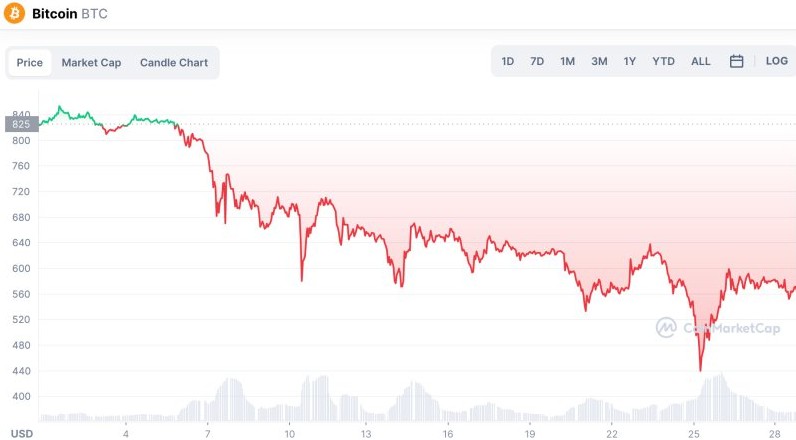
Mt.Gox started in 2007 as a site for Magic: The Gathering cards. By 2011 it became a cryptoexchange. In 2013 it traded about 70% of the world's bitcoin. Then it all fell apart. On February 7, 2014, it blocked all bitcoin withdrawals and blamed tech issues.
The heist began in 2011. Hackers took private keys to a hot wallet and slowly drained it. By 2013 they had 630,000 BTC. The exchange ended on February 28, 2014, when the owner said it was bankrupt. Around 750,000 BTC of users and 100,000 of its own were gone. The loss is often given as $480 million, but the price swung hard, so the real number is messy.
Old staff said management was careless. No real code audit, no version control. The owner got a suspended sentence for data tricks, not for the big theft. This one shows that slow leaks hurt as much as loud ones.
2 Almost Half a Billion at Coincheck
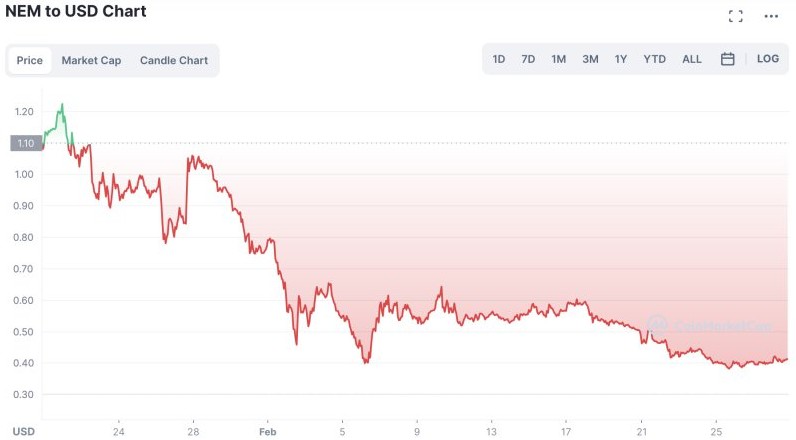
Coincheck was one of Japan's large cryptoexchanges. In January 2018, crooks took more than 500 million NEM tokens, about $496 million. The firm said their security was solid but did not say how the attack worked.
Some experts think malware on an office computer grabbed hot wallet keys. The thieves made a site to sell NEM at 15% off. Price dropped fast. Coincheck did not close, but had to pause and pay users from its own funds. The criminals were never found. When a cryptocurrency exchange website stays quiet on the hack path, that's a red flag for me.
1 Job Offer with a Surprise at Ronin
Ronin Network was built for the Axie Infinity game. In March 2022, attackers took $540 million. They used spyware and social tricks. One Sky Mavis worker got a fake LinkedIn job offer as a PDF. It had spyware inside.
That gave thieves four of nine validator keys. They needed five. The fifth came from an old permission to Axie DAO that was never pulled back. Sky Mavis relaunched in June 2022 and paid players back. This is why I laugh at "too good to be true" messages. A job PDF should not drain a chain.

Bonus Hack with a Full Refund
Poly Network got hit in August 2021 for $610 million. The attacker used a bug in the protocol. Poly Network tweeted asking for the money back. The hacker agreed and sent it all back in pieces. They said it was for "ideological reasons," not cash.
They offered him a $500,000 reward and even a job as chief security consultant. Wild, right?
Poly dropped charges and started a bug-bounty program. Not every heist ends in tears. But don't count on a polite thief. Ever.
What the Heists Teach About Asset Safety
The top five cryptocurrency heists hit big orgs, but small users get picked off daily. I think the lessons are plain. Pick platforms with care. Read real reviews. Ask people you trust.
Simple steps I'd take
- Never give your login, private keys, or seed phrase to anyone. Not even support.
- Keep main savings in cold wallets. They stay offline and are harder to rob.
- If you use a hot wallet, turn on two-factor auth. Please, just do it.
- Watch for phishing. Learn the shapes of fake sites and wallet hunters.
- Use a tool that blocks malware and warns on scam pages.
Hey, don't skip this part. The seed phrase is the whole game. If someone has it, your coins are gone. No support desk can undo that.
Top Five Cryptocurrency Trading Styles
Crypto trading is not a monster maze. It's like the stock market with weirder hours. You can split styles by time: long hold or quick flip. The source lists five main styles plus automated help.

I trade small and slow, so these styles helped me see my own bias. If you want day trading crypto for beginners , the day trading part below is your start. And if you get a DM with trading signals telegram from a stranger, that's often a scam front, not a real edge.
HODLing Is Just Holding
HODL means hold on for dear life. You buy and sit for months. You don't watch charts all day. You check the project's team, use, and market size once in a while. The hard part is knowing when to sell.
HODLers weather the short swings with faith in long-term value, less active.
Scalping for Small Wins
Scalping is fast. You sell for tiny gains before price drops. It uses bid-ask gaps and liquidity holes. Fees can eat you if the market is thin. This is not for new folks. You need screen time and calm hands.
One clear risk: if you chase phone mining cryptocurrency apps while scalping, you'll likely lose on both ends. Keep mining hype away from trade plans.
Day Trading Crypto for Beginners
Crypto runs 24/7. No bell. Day trading means open and close in 30 minutes to a few hours. Sleep on open trades is a no. You need stop loss and take profit set. Price can flip fast, so watch the active hours.
If you want day trading crypto for beginners , start with a demo. Small real money only after you stop bleeding in test. And if you build a bot, don't trust random trading signals telegram groups to feed it.
Swing Trading the Curve
Swing trading catches the up and down wave. You hold days to weeks. Buy near the low, sell near the high. New traders can start here because it's slower than scalping. You still need to read support and resistance.
When prices dip, don't panic if your read of the pattern holds. Use both chart tools and project basics. This is a good lane if what is fud in crypto keeps shaking you out, since swings teach you to sit through noise.
Position Trading the Marathon
Position trading is years long. You study the asset deep, then wait. Bitcoin holders who sat through exchange failures and price screams got paid. This fits if you hate charts and trust your read of the project.
Those who believed in bitcoin through the noise are now reaping sweet rewards.
Automated Trading Systems
Automated trading uses set rules in code. It takes the emotion out. You can test on old data before live cash. Estimates say 70% to 80% of exchange trades use such systems. Bots can run grids, DCA, or BTD all day.
Some folks ask me about best website for cloud mining while setting up bots. I'd keep those separate. Cloud mining claims are a common scam mask. A real bot on a known exchange is simpler to check.
How to Pick Your Trading Style
No one style fits all. Match it to your goal and free time. Try a demo first. Then small real cash. Stick to one method. Don't swap like hats every week. Learn stop loss and take profit to cap the pain.
Ways to choose without losing your shirt
- Use demo trading before any real money leaves your wallet.
- Start small and grow only after wins stack up.
- Stick to one style even if riches are slow.
- Learn order types like stop loss to protect gains.
- Cut market noise from real trend before you act.
Common Crypto Scams to Avoid
Scams ride the same rails as the top five cryptocurrency heists: trick, steal, vanish. The source lists five common ones. I see these in my own feed often. None need a hacker if they have your trust.
The cryptocurrency trading scams often start with a friendly tip from a "success story" account. There is no way to check if that story is true. Treat all cold tips as noise until proved.
Phishing by Email and SMS
Scammers send mail or text that looks like Coinbase or Ledger. They say your account is hacked. They want you to click fast. Never click links in such mail. Type the site yourself.
Legitimate companies will never ask for your private keys or seed phrase.
Fake Giveaways and Celebrity Lies
You see a post from a famous face promising to double your crypto. They use deepfakes or hacked accounts. No real person does this. Report the post. Walk away.
If a legit cryptocurrency project does a giveaway, it won't ask you to send coins first. That's the oldest tell in the book.
Pig Butchering and Crypto Romance Scams
This one is cruel. A stranger builds a bond over weeks, then pitches a "safe" crypto app they control. You put in, they take all. Be wary of fast friendship that turns to finance.
I hate to say it, but Crypto romance scams work because they use trust, not code. Never take invest advice from someone you never met in person. If they push a weird platform, that's the red flag.
Malicious DApps and NFT Traps
Scammers airdrop fake NFTs or build bad DApps. You sign one thing and they drain the wallet. Use a burner wallet with small funds for new apps. Don't touch free NFTs from strangers.
Do not interact with DApps you don't trust.
SIM Swap Attacks
A SIM swap moves your phone number to the thief. They bypass SMS auth and reset your mail and exchange. Use an app or hardware key for 2FA. Add a PIN at your carrier. This one's important, pay attention.
If you think you got scammed, time matters. Talk to a crypto scam lawyer fast. Protecting assets starts with vigilance, not regret.
FTC Warnings on Crypto Investment Scams
The FTC shared stats that show a spike in crypto invest scams. Since October 2020, near 7,000 people reported over $80 million lost, median $1,900. That's about 12 times the reports from the year before.
FTC facts that say caution
- Scammers blend in crypto groups and pose as friendly tipsters.
- A celebrity name is no proof of legit. Musk impersonators took $2M plus.
- Romance plus crypto is a bad mix; 20% of romance scam loss was crypto.
- People age 20 to 49 report loss five times more than older users.
- Older users lose more per case, median $3,250 when hit.
The cryptocurrency trading scams in FTC data often hide in "success stories." Take those with a big grain of salt. Even smart business folks got taken.
ISO-Compliant Coins and Market Context
Eight coins meet the ISO 20022 standard: XRP, Stellar, XDC, Algorand, Iota, Hedera, Quant, Cardano. The EU passed MiCA, a broad crypto rule set for money laundering and terror finance. Bitcoin started in 2009 by Satoshi. FTX rose then filed bankruptcy in November 2022 after a fall. Those are facts, not forecasts.
XRP became a top three coin by size. Ripple built RippleNet for cross-border pay. China made its own digital cash, pushing others to look at central bank coins. None of this tells you to buy. It just shows the space keeps changing.
Keep Your Wallet and Mind Safe
A good apple crypto wallet is fine for small daily use, but don't park life savings there. Cold storage is the calm choice. And if you see phone mining cryptocurrency ads that promise free coins from your phone, that's noise at best and theft at worst.
Keep your main savings in cold wallets: unlike hot ones, they don't need to be permanently online.
I don't claim to know it all. But the top five cryptocurrency heists, trading styles, and scams show a simple truth: slow down, check the key, and never trust a surprise gain. That's the lean mindset I try to keep.











Comments on “What the Top Five Cryptocurrency Heists, Trading Styles, and Scams Reveal About Smart Trading”
No comments yet. Be the first to share your thoughts.