How to Pick the Best Cryptocurrency App
I keep seeing folks ask which is the best cryptocurrency app to use. The loud ads don't help. You don't need to be a crypto pro to pick one that fits. In this post I map wallets, trackers, and trading tools so you can manage coins with clarity instead of noise. And yeah, the best cryptocurrency app for you may be boring and that's fine.
The source splits things into three rough groups: trading apps, wallets, and trackers. I'll walk through each. Some apps do more than one job, like Zypto, which I'll get to later. The point is to match the tool to what you actually do with coins.
Trading Apps to Look At
A crypto trading app is where you buy and sell coins. The source lists five common ones: Tradix App, Coinbase, Binance, Kraken, and eToro. Each has a different feel. Coinbase is simple. Binance has lots of coins and advanced orders. Kraken focuses on security. eToro adds a social feed where traders share moves.
Tradix App is noted for a clean interface and live market data. Binance supports limit orders, stop-loss, and margin trading. Kraken offers futures and margin too. eToro lets you trade stocks and commodities beside crypto. If you want a crypto market apps with a community angle, eToro is the weird one in the list.
Common trading apps from the source
- Tradix App - clean UI, live data, safe trading
- Coinbase - simple, beginner friendly, has wallet too
- Binance - big exchange, many coins, advanced orders
- Kraken - strong security, margin and futures
- eToro - social trading, stocks and crypto in one
Each of these platforms offers unique features and benefits, so it's essential to choose the one that aligns with your trading goals and preferences.
What a Crypto Wallet Is
A crypto wallet holds your private keys. If you don't control the keys, you don't control the coins. That's the old Bitcoin saying and it's still true. A crypto currency wallet doesn't store coins like a real wallet. It stores the keys that prove the coins are yours on the chain.
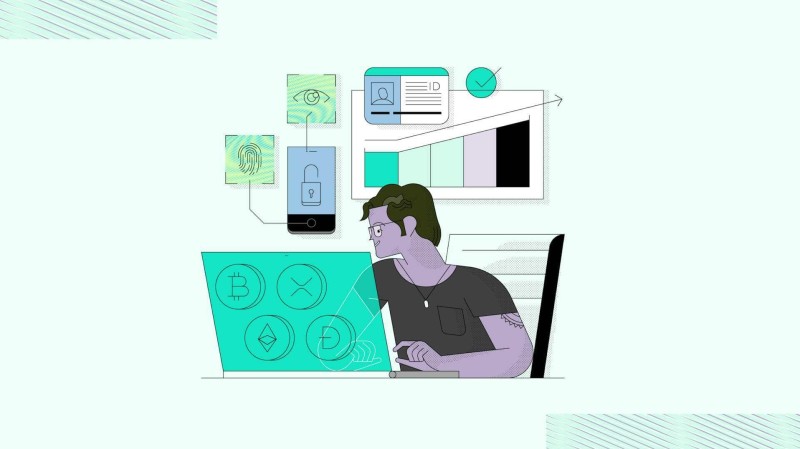
Wallets come in three types from the source: software, hardware, and paper. Software wallets are apps on your phone or computer. Hardware wallets are physical devices. Paper wallets are printed keys kept offline. For most new users, software is the quick start. The other two are for bigger sums or cold storage.
Wallet types in short
- Software - app on phone or desktop, free, online
- Hardware - USB-like device, offline, for large sums
- Paper - printed keys, cold, can burn or tear
Software Wallets From the Source
The source names a few software wallets. Copay from Bitpay runs on iPhone, Android, Mac, Windows, Linux. It's open source and has a shared account that needs two signs. Blockchain Wallet is old and trusted with two-factor auth and multi-sig. Bitcoin Core is the desktop-only full node from Satoshi's time.
Breadwallet (BRD) started as iPhone-only Bitcoin wallet, now on Android too, based in Zurich. Green Address runs on iOS, Android, and Chrome with HD wallet and two-factor. If you want to how to find a crypto wallet that fits, start with what phone you have and how much coin you hold.
Software wallets listed
- Copay - multi-platform, open source, two-sign option
- Blockchain Wallet - established, two-factor, multi-sig
- Bitcoin Core - desktop full node, slow but trusted
- Breadwallet - simple, good for beginners
- Green Address - HD wallet, two-factor, Chrome too
Hardware and Paper Wallets
Hardware wallets cost money because you buy a device. Trezor is a tiny computer that makes keys offline. Ledger Nano uses a smart-card style screen. Both are good for bigger holdings. Think of them like a safe at home, not a pocket wallet. The source says they suit larger sums more than daily use.
Paper wallets print keys on paper for cold storage. No hack risk since they're offline. But fire, flood, or a kid with scissors ends that real fast. For large sums you'd need special storage. They're not quick to use. I'd say skip paper unless you really know why.
These predate the hardware wallets and in their own way are the most secure, in that there is no possible way they can be hacked into.
Coinbase Wallet and Base App
Coinbase Wallet is a free, non-custodial wallet from the U.S. exchange Coinbase. You hold your own keys. It started as Toshi in 2017, then renamed Coinbase Wallet in 2018 for Ethereum. Now it's also called Base App after a rebrand. It's a hot wallet, meaning it stays online.
Base App supports Bitcoin, Ethereum, Solana, Dogecoin, and more. You can buy with bank or card, and link your Coinbase account. In 2023, Coinbase dropped some coins like Bitcoin Cash, Ethereum Classic, and XRP from the wallet. So not every chain works there. If you need a best secure crypto wallet that stays easy, this is a common pick.
Base App facts
- Non-custodial - you hold the keys
- Hot wallet - stays online for access
- Multi-chain - BTC, ETH, SOL, DOGE and more
- Links to Coinbase exchange account
- USDC rewards for holding
MetaMask Wallet
MetaMask launched in 2016 as a browser add-on for Ethereum. The fox logo is known wide. It's a self-custodial hot wallet on phone and desktop. You can buy via PayPal or Revolut through third parties. It still leans Ethereum but supports BNB, Avalanche, Polygon too.
MetaMask gives deep control over transaction settings like gas fees. It has a Mastercard in some regions. If you want to how to create a personal crypto wallet with lots of knobs, this is the one devs like. It takes more learning than Coinbase Wallet but offers more custom options.
MetaMask facts
- Self-custodial hot wallet, started 2016
- Strong on Ethereum and EVM chains
- Advanced gas and transaction control
- Open source, loved by devs
- MetaMask card in select regions
Base App vs MetaMask
Both are hot wallets with good reps. The big split is chain support. Base App covers non-EVM chains like Bitcoin and Dogecoin. MetaMask sticks near Ethereum even with Snaps adding some links out. Beginners often like Base App's clean UI. Power users like MetaMask's settings.
On recovery, both give a 12-word phrase. Base App adds passkeys and cloud backup. MetaMask adds password and biometric on mobile. Both connect to Ledger. Trezor works with MetaMask. If you want a treasure wallet crypto style safe spot, either plus a hardware device is solid.
MetaMask remains one of the most trusted self-custodial wallets on the market, thanks to its history, features, and integrations.
Key differences
- Base App - multi-chain, easy UI, USDC rewards
- MetaMask - EVM focus, custom settings, dev friendly
- Base App - links Coinbase exchange directly
- MetaMask - gas control, Mastercard in some areas
Tracking Your Coins
A tracker watches your holdings across wallets and exchanges. The source points to DeFinance as a tracker app. It shows live updates, supports many coins, and sends price alerts. You connect wallets and exchanges, then it pulls balances. Good for not losing sleep over a dip.
CoinTracker is another tool noted. It syncs 500-plus wallets and exchanges for tax data. It builds IRS forms like Schedule D. If you trade on a gemini cryptocurrency app or others, a tracker saves time at tax season. I'd use one even if just to see all coins in one screen.
Tracker features
- Real-time balance updates across apps
- Price alerts at set points
- One screen for all holdings
- Tax form export to CPA or software
Using the best crypto tracker offers many benefits for cryptocurrency investors. First, it allows you to monitor your investments' performance in real-time.
Zypto as an All-in-One App
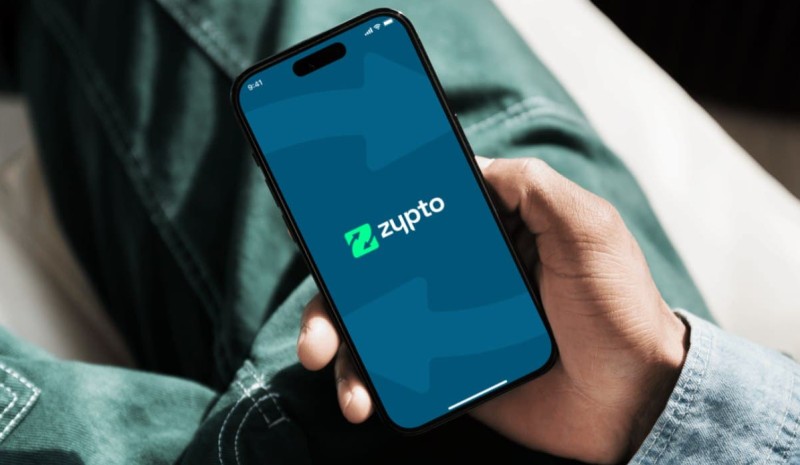
Zypto is a self-custodial wallet for 24,000-plus assets across 20-plus chains. It has a Vault Key Card for tap-to-pair cold storage. The app gives rewards in ZYP for actions. You can refer friends and earn. It runs on iOS and Android. For someone who wants one app, this is the simple path.
Zypto tries to kill the confusing parts: buy, swap, spend, send to bank, or use a virtual card with Apple or Google Pay. It supports BTC, ETH, SOL, XRP, BNB, and many more. If you need to crypto account create without the headache, Zypto's in-app help is built for that.
Zypto highlights
- Self-custodial, 24k+ assets, 20+ chains
- Vault Key Card for cold storage pair
- Rewards hub and referral earnings
- Virtual card for Apple and Google Pay
- Bill pay and gift cards in app
Other Wallet Notes
The source mentions Tangem as hardware and non-custodial software only. Tangem AG says it is not a bank or exchange. It doesn't hold your coins. Third parties do the txns. That's a good thing to know if you see the name. Veriff's old post from 2020 still lists Copay and others as starts.
And a note: some wallets like zengo wallet app show up in search but weren't in the source detail here. I didn't deep test them. Stick to what fits your chain and skill. A wallet that confuses you is a risk by itself.
Picking by Your Need
If you trade a lot, a crypto trading app with low fees and the coins you want matters. If you hold, a wallet you control matters more. If you track many places, a tracker saves your sanity. Most people need two of the three, not all fancy features.
I'd start with one wallet and one exchange. Learn the keys and the backup phrase. Then add a tracker. Don't load a hardware wallet day one unless you got real money. And hey, don't skip the backup step. Lose the phrase, lose the coins. That part's important, pay attention.
Hey, don't skip this part - your 12-word phrase is the only way back in.
Security Basics
Hot wallets are online and handy but open to net risk. Hardware wallets cut that by staying offline. Paper is offline but fragile. The source says Coinbase Wallet and MetaMask both have good track records. Still, you are the last line. No support resets your keys.
Use a 12-word phrase and write it down on paper, not screenshots. Add a password or biometrics where you can. For big sums, pair with Ledger or Trezor. A best secure crypto wallet is the one you actually protect. Fancy tech won't save a careless user.
Simple safety steps
- Write seed phrase on paper, store offline
- Use password and biometric on mobile
- Pair with hardware for large sums
- Don't share keys or phrase with anyone
What the Source Skipped
The source didn't rate apps with scores. It didn't say one is best for all. It noted some coins left Coinbase Wallet in 2023. It also noted regional limits on MetaMask card. I kept those facts as-is. No made-up stars from me.
Also, tax info from CoinTracker is not tax advice per the source. Talk to a pro for that. I'm just a guy reading docs and writing it plain. If a crypto market apps claim sounds too good, check the wallet's own site before you trust it.
Quick Map of Tools
Here's the rough map I use. Trade on Coinbase or Kraken for ease. Store on Base App or MetaMask by chain need. Track on DeFinance or CoinTracker. Simplify with Zypto if you want one screen. That's the whole best cryptocurrency app puzzle without the noise.
You don't need ten apps. Pick by job: trade, store, track. The best cryptocurrency app is the one you understand and use right. Start small, learn the keys, then expand. Crypto is not going to get less complex, so better to be clear now.

My plain pick map
- Trade - Coinbase, Kraken, Binance by need
- Store - Base App for multi-chain, MetaMask for EVM
- Track - DeFinance or CoinTracker
- All-in-one - Zypto for simple daily use
FAQ From the Source
Is MetaMask good? Yes, the source calls it reputable with millions of users. Is Coinbase Wallet a hot wallet? Yes, it stays online. How to move from MetaMask to Coinbase? Copy the Coinbase address, paste in MetaMask, send. Takes minutes based on gas.
What's Base vs Coinbase Wallet? Base is the new name and also a Layer 2 chain. Old wallets update auto. Are there coins not on Coinbase Wallet? Yes, some dropped in 2023 like XRP. If you need those, look at MetaMask or a treasure wallet crypto option that supports them.
Base is both the name for Coinbase's Layer 2 blockchain on Ethereum and the new name for the Coinbase Wallet app.





Comments on “How to Choose the Best Cryptocurrency App for Wallets, Tracking, and Trading”
No comments yet. Be the first to share your thoughts.