

What Is a Cryptocurrency Wallet
A crypto wallet is a digital tool that stores and manages the cryptographic keys needed to access cryptocurrency on a blockchain. It does not hold the coins themselves - the records stay on the blockchain, a digital ledger used by decentralized networks. The wallet holds the information required to view balances, authorize transactions, receive funds, and send funds.
A wallet can act as a bridge between a person and the blockchain. It enables the user to send cryptocurrency, receive cryptocurrency, and track digital assets. It can also organize a cryptocurrency portfolio and connect with supported blockchain networks.
I find it helpful to think of a crypto wallet like a physical keychain. It keeps access to funds handy and secure. Unlike a physical wallet, a typical crypto wallet does not contain bills or coins. Its essential contents are cryptographic keys and the information needed to interact with a blockchain.
Bitcoin can be divided into very small units. One satoshi is equal to one hundred millionth of a bitcoin. A wallet can hold and use cryptocurrency down to the smallest units supported by its network.
Public and Private Keys
Cryptocurrency wallets use a pair of related cryptographic keys: a public key and a private key. A public key functions much like a wallet address or bank-account number. It can be shared with another person, exchange, merchant, or service without giving that recipient control over the funds. A public key allows the owner to receive cryptocurrency. A cryptocurrency address is often described as a compressed representation of the public key.
A private key must remain secret. It authorizes access to the cryptocurrency associated with the corresponding public key. Anyone who obtains the private key may be able to access or spend the funds. The private key functions like the authority needed to unlock and authorize transactions, rather than like a bank password that can simply be reset.
The basic receiving process is straightforward. A sender needs the recipient's public key or wallet address. The sender uses their own private key to authorize the transfer. The blockchain records the transaction and updates the balances associated with the addresses.
Hot Wallets and Cold Wallets
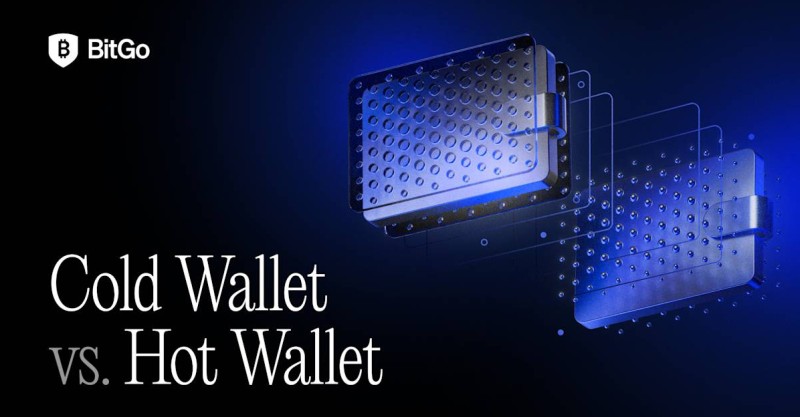
A hot wallet is connected to the internet and can be accessed from different locations and devices. It is convenient for frequent transactions and smaller amounts of cryptocurrency that are expected to be used. Under the definition used in the 2018 Kaspersky article, a hot wallet is provided by an online service. The user registers on a website or installs software, and the provider supplies the interface for managing crypto funds.
A cold wallet is not connected to the internet. It is more appropriate for larger amounts where online theft risk is a priority. Some sources use "cold wallet" as another name for a hardware wallet. Other sources define a cold wallet more broadly as any wallet that is not connected to the internet, including a paper wallet.
Hot vs Cold Wallet Use Cases
- Hot wallets work well for small amounts you plan to spend soon
- Cold wallets suit larger holdings where security is the priority
- Hot wallets offer convenience but less protection against online theft
- Cold wallets add another device and cost in exchange for stronger offline key protection
- The right choice depends on how often funds move and how much value they represent
Custodial and Non-Custodial Wallets
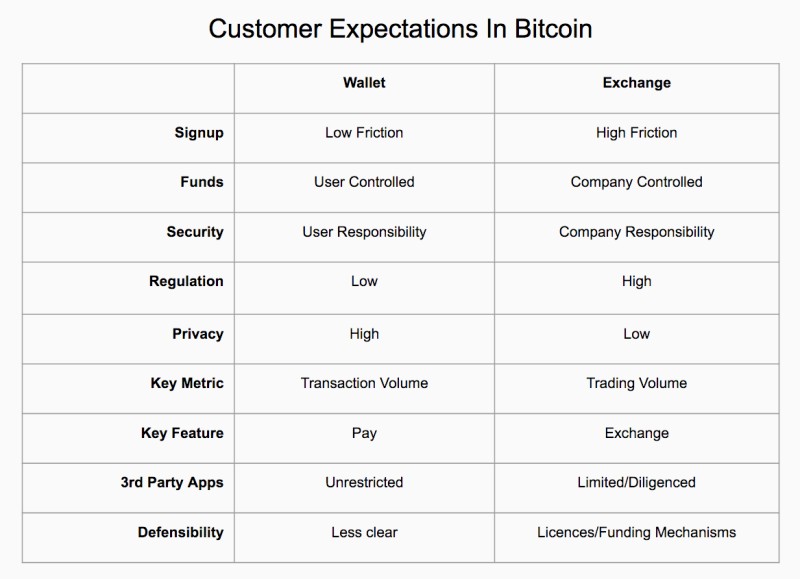
A custodial wallet is held directly on an exchange where cryptocurrency is bought. It is also called an exchange wallet. The exchange typically stores and manages the user's private key online. A person who buys cryptocurrency on Coinbase or Kraken and leaves it on the exchange is using a custodial wallet unless the exchange credits the funds to a separately controlled non-custodial wallet.
A hosted wallet has convenience advantages. The provider manages key storage and may provide password-recovery assistance and customer support. This means a user is less likely to lose access merely because they forget a password. But custody also creates trust and security tradeoffs. The user must trust the exchange or service provider to protect the private keys, authorize transactions correctly, and keep the assets available. Exchanges are prominent targets for hackers.
A non-custodial wallet gives the user direct control over cryptocurrency without a third-party custodian. The user controls the private key or recovery phrase. This arrangement generally offers greater freedom and more features than a hosted wallet. It can support activities such as buying NFTs or staking cryptocurrency, which is a process in which cryptocurrency supports a blockchain network and may earn rewards.
SecuX states: "SecuX will never ask for your 24-word recovery phrase." A legitimate wallet operator does not need a user to disclose the phrase in order to provide ordinary account support.
Desktop, Mobile, and Web Wallets
A desktop wallet is an application that runs on a computer. It can be non-custodial and give the user direct control over the keys without involving a third-party custodian. Because the wallet and its keys reside on the computer, the user is responsible for device security. Antivirus software is advised on any computer used for a desktop wallet. A compromised operating system, malicious application, infected download, or stolen computer could expose the wallet.
Full-node desktop wallets can store a complete copy of the blockchain and validate transactions independently. Light or light-client wallets do not store the entire blockchain. They may access blockchain data through a third-party server while still keeping keys locally. They are easier to operate but introduce another service and security dependency.
A mobile wallet is an application that stores or manages cryptocurrency keys on a smartphone. Mobile wallets are available on iOS and Android and are convenient for payments made face to face. Many support QR codes, allowing a recipient's wallet address to be scanned instead of entered manually. A web wallet runs through a browser and can be accessed from a desktop or mobile device. It allows the user to manage cryptocurrency from many locations.
Wallet Type Comparison
- Desktop wallets give direct control but require a protected computer and antivirus software
- Mobile wallets are convenient for face-to-face payments and QR-code scanning
- Web wallets allow access from many locations but have increased risk of theft
- Some web wallets are custodial and give keys to a provider
- Others keep keys in the user's browser - these differences must be evaluated separately
Hardware Wallets
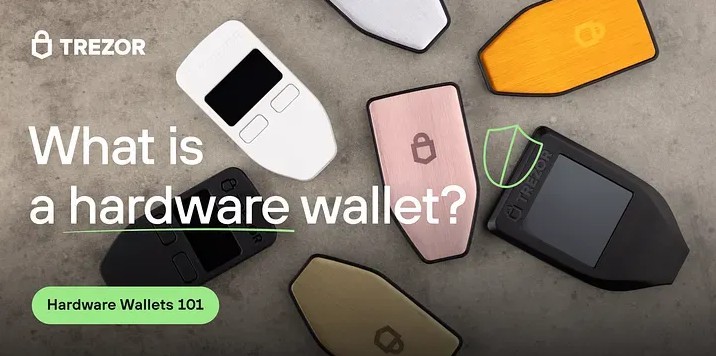
A hardware wallet is a physical device that stores private keys offline. It is often a small plug-in device resembling a USB stick. Transactions are recorded on the blockchain, while the private key authorizes their use. Because the key remains inside an offline device, a software attack on the wallet's usual online interface cannot directly read the key. Specialized hardware wallets may use a Secure Element chip designed to protect cryptographic operations and key material.
Hardware wallets are widely described as the safest form of cryptocurrency storage for long-term holdings because the private key is kept away from an internet-connected device. This security depends on keeping both the device and its recovery information safe. If a hardware wallet is lost and the recovery seed is available, access can generally be restored. If both the device and recovery seed are lost, the funds may be unrecoverable.
Hardware wallets also have disadvantages. Devices from Ledger, Trezor, and other manufacturers may be more expensive than software wallets. They require another physical item to maintain. Some interfaces require a phone, computer, or other device to prepare and sign transactions, although the private key remains offline during use.
Kaspersky's 2018 guide describes specialized cold or hardware wallets as offering the greatest overall security. Paper removes internet attack risk but introduces physical-loss and usability risks, while purpose-built hardware adds another device and cost in exchange for stronger offline key protection.
Ledger Nano and Trezor
Hardware wallets from Ledger, Trezor, and other manufacturers are among the top hardware options for storing crypto offline. These devices keep private keys away from internet-connected devices, which reduces the risk of online theft. The security of a hardware wallet depends on keeping both the device and its recovery information safe. If a hardware wallet is lost and the recovery seed is available, access can generally be restored.
The Ledger Nano was described as a screen-based hardware wallet using a smart card rather than a full computer. The source also mentioned the lower-priced Ledger HW1 and Ledger Unplugged, a credit-card-sized wireless device. These are dated product descriptions rather than current specifications. A Ledger Nano device is one example of hardware wallets that crypto users consider for long-term storage.
Hardware Wallet Features
- Private keys stay inside an offline device during use
- Secure Element chips protect cryptographic operations and key material
- Recovery seed can restore access after device loss
- PIN or passphrase required for unauthorized use
- Some support online or offline use with a 24-word seed system

Paper Wallets
A paper wallet contains a private key printed on paper and stored offline. Keys may also be encoded in QR codes generated by wallet software. A paper wallet predates modern hardware wallets and can be secure from online hacking because it has no network connection. Paper wallets have important physical limitations. Paper can be destroyed by fire, flood, animals, children, or other accidents. Anyone who finds the wallet may photograph or copy it.
Entering long keys manually is inconvenient, and specialized software may be needed to scan a QR code or sign a transaction. A paper wallet can be difficult to use for everyday payments. After funds are placed in a paper wallet, another software or hardware wallet may be needed to spend them. This can require transferring funds and importing them into the spending wallet.
How to Send and Receive Cryptocurrency
To receive cryptocurrency, the user shares a public key or wallet address with the sender. Because the public key is meant to be shared, giving it to a legitimate sender does not by itself grant that sender spending authority. To send cryptocurrency, the user obtains the recipient's address, opens the wallet, selects the asset and amount, verifies the destination, and authorizes the transaction with the appropriate private key. The blockchain records the transfer.
A Bitcoin wallet has the same general role as other cryptocurrency wallets. In its simplest form, it stores the cryptographic keys associated with the person's bitcoin rather than physical notes or coins. When a transaction is sent, the wallet constructs a transaction using the sender's key and the recipient's address. The transaction is submitted to the network. Network participants validate it according to the blockchain's rules.
How to Create a Personal Crypto Wallet
A basic setup process begins by choosing the custody model. A user must decide whether an exchange or another third party will control the key, or whether the user will maintain direct control through a non-custodial wallet. For someone wondering how to set up your own wallet , the first step is deciding what type of custody fits your needs.
After selecting custody, the user creates security credentials. Many wallets require a password. Wallet setup often includes two-step or two-factor verification. For a non-custodial wallet, the user records the private key or recovery phrase. A self-custodial wallet may not require personal information or an email address, but it does require careful key management.
Wallet Setup Steps
- Choose the custody model - custodial or non-custodial
- Create security credentials - password and two-factor verification
- Record the private key or recovery phrase for non-custodial wallets
- Secure the wallet software - antivirus for desktop, protected phone for mobile
- Buy hardware wallets from verified sellers and avoid second-hand devices
- Download companion software from the official company website
- Record the backup - 12-word or 24-word recovery phrase
- Fund the wallet or connect to an existing exchange account
Security, Backups, and Recovery
The private key or recovery phrase is the primary control point in a non-custodial wallet. It should not be disclosed to another person. Losing a password is different from losing a non-custodial wallet's private key. A custodial provider may be able to reset an account password because it controls the wallet. A non-custodial wallet cannot replace a missing private key or recovery seed without the original information.
A recovery seed or recovery phrase can restore access after computer failure, software failure, device loss, or migration to a new wallet. It must be preserved. The source emphasizes that losing a hardware wallet is not necessarily the end of access if the recovery seed has been retained. Losing both the device and recovery seed can leave the assets permanently inaccessible.
A backup should be created according to the software's instructions. Bitcoin wallets may create a 12-word backup phrase, while some use 24 words. The recovery material must be protected from theft, destruction, and unauthorized access. Computer failure and software issues are among the reasons to back up a wallet. A backup allows access to be restored when the original device, application, or operating system cannot be used.
Fees and Supported Cryptocurrencies
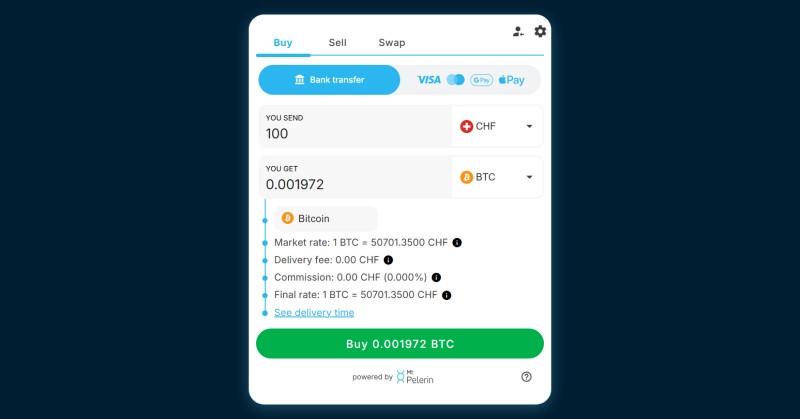
Transaction-fee systems vary between wallets. Some wallets automatically select a fee to make a transaction process faster. Other wallets let the user customize the fee. Lower fees can reduce cost but may slow transaction confirmation. A wallet's operating or trading fees may also differ from blockchain network fees. A custodial exchange may charge trading, conversion, deposit, withdrawal, or spread fees. A self-custodial wallet may avoid some platform fees but still incur network or transaction fees.
Cryptocurrency networks may charge a network fee or gas fee for a transaction. One source states that this fee is paid toward miners participating in the blockchain network and may be lower than a conventional foreign-exchange fee. Transaction speed can vary, with some cryptocurrency transfers sometimes being nearly instant.
A wallet may support only one currency, a selected group of assets, or many different cryptocurrencies and tokens. Some wallets support Bitcoin, while others support Bitcoin, Ethereum, Cardano, Solana, XRP, Tether, and other assets. The number of supported assets should be checked before relying on a wallet. A multi-asset wallet can make it easier to manage several tokens without using a separate wallet for each currency.
Supported Crypto Asset Types
- Coins like Bitcoin and Ethereum are among the most widely recognized
- Tokens can represent assets or utilities on a blockchain
- Stablecoins like USDC are designed to maintain a stable value
- Some wallets support staking, NFT activity, swaps, and other asset-specific features
- A wallet may be restricted to one asset or support many assets
Choosing the Best Secure Crypto Wallet
The best wallet depends on experience, security priorities, supported assets, transaction frequency, and preferred access method. Security is the most important distinction. Wallet providers use different combinations of local storage, online storage, biometrics, PINs, passwords, two-factor authentication, multisignature controls, secure hardware, and user-managed keys. A user should compare how each provider protects access before trusting it with cryptocurrency or money.
Fees should also be compared. A wallet may charge a transaction fee, platform fee, trading fee, or spread. Automatic fee selection may prioritize speed, while customizable fees may lower cost at the cost of slower processing. Customer support varies. Some providers offer 24-hour support. Response times, service scope, account-recovery procedures, and support quality differ. Custodial services may be more capable of resetting passwords, while self-custodial services generally cannot recover a lost key.
How to Find a Crypto Wallet
For a beginner, a mobile wallet or custodial account may be easier to start with. A custodial account may be easier for a user who does not yet understand seed phrases, but it gives a third party control. Software and mobile wallets may be easier for beginners, while hardware and cold wallets require additional setup. A paper wallet requires manual key handling.
The N26 guide describes a crypto wallet as a digital tool for securely managing cryptocurrency. It emphasizes that a private key provides access to the wallet's contents and that a wallet should be set up before making a cryptocurrency purchase. A wallet is not limited to keeping cryptocurrency that was bought on an exchange; it can also be used to send and receive Bitcoin, Ethereum, and other supported assets. If you are wondering where to get a wallet for crypto , the answer depends on whether you want custody or convenience.
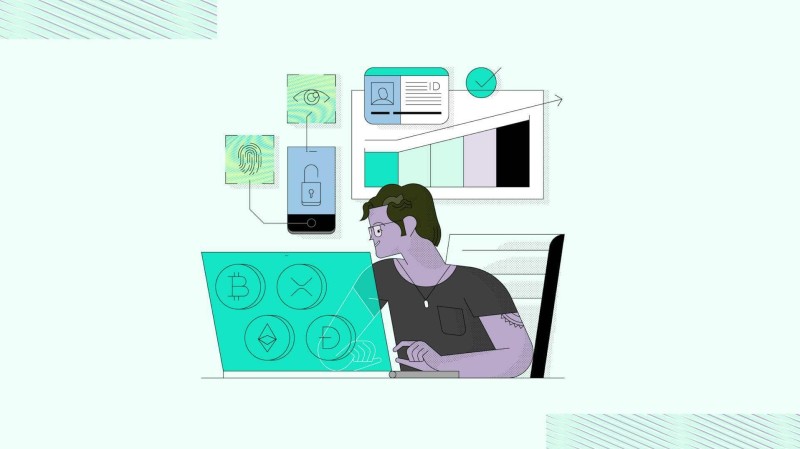
Convenience Versus Self-Custody
Custodial services trade user control for convenience. A user may be able to log in from any supported device, recover a password, trade through an exchange, and convert cryptocurrency to cash without managing a recovery phrase. The provider controls the wallet's private keys and the mechanism used to authorize transactions.
Non-custodial wallets trade some convenience for direct control. The user is responsible for passwords, backups, software updates, compatible networks, and private-key security. A non-custodial user may have broader access to crypto features such as NFTs and staking. The donation-wallet material describes the same tradeoff in organizational settings. A third-party custodian can manage conversion and transfers, while a self-custodial wallet gives an organization or person direct control over its keys. The source presents convenience and control as competing considerations rather than as a single universally superior model.
Bitcoin Wallet Versus Cryptocurrency Wallet
A Bitcoin wallet is specifically designed to manage bitcoin and its keys. A cryptocurrency wallet is a broader term that can include wallets for multiple networks and assets. Many multi-asset wallets can manage both Bitcoin and Ethereum-based tokens or assets on other networks. A Bitcoin or cryptocurrency wallet can be custodial, non-custodial, software, hardware, hot, cold, or paper-based. "Bitcoin wallet" identifies the asset; the other terms describe custody, storage form, connectivity, or access method.
If you are looking to get started with crypto , a Bitcoin wallet is a good place to begin. A Bitcoin wallet has the same general role as other cryptocurrency wallets. In its simplest form, it stores the cryptographic keys associated with the person's bitcoin rather than physical notes or coins. The Ledger wallet is one example of a hardware option that many users consider for long-term storage.
Hardware wallets from Ledger, Trezor, and other manufacturers are among the top hardware options for storing crypto offline. These devices keep private keys away from internet-connected devices, which reduces the risk of online theft. The security of a hardware wallet depends on keeping both the device and its recovery information safe. If a hardware wallet is lost and the recovery seed is available, access can generally be restored.








Comments on “What Is a Cryptocurrency Wallet For? How It Works and Why You Should Use One”
No comments yet. Be the first to share your thoughts.